Where does Iran get gold from?

Where Does Iran Get Gold From? (Mines, Regions, and the Real Story Behind Supply)
Iran gets its gold from a mix of large industrial mines, smaller regional deposits, and – often overlooked – gold recovered as a by-product of copper mining. Add new discoveries like Shadan’s expanded vein system, and you get a country with a deeper pipeline than most headlines suggest.
If you’re an Indian investor tracking gold as an inflation hedge, this matters because mine supply + geopolitical pressure = price sensitivity. And when prices move, you don’t want to be stuck “waiting for the right time.” You want a system that lets you start small, build the habit, and stay consistent.
Stop watching. Start growing – starting from ₹1.
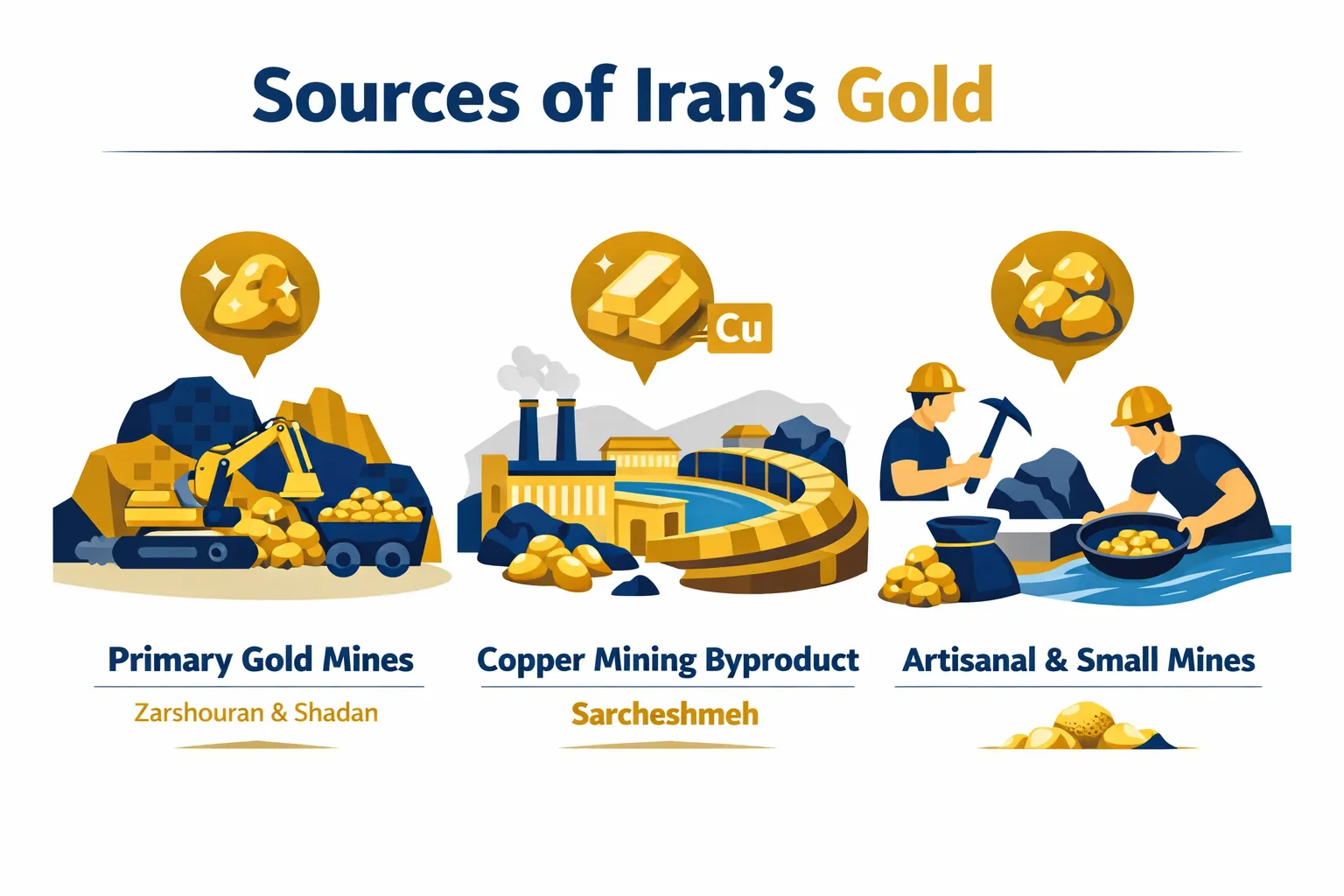
Gold in Iran: The 3 Main Sources (Simple Breakdown)
Iran’s gold primarily comes from:
|
Source |
What it means |
Why it matters |
|---|---|---|
|
Primary gold mines |
Dedicated gold deposits mined for gold itself |
Biggest long-term supply driver |
|
By-product gold from copper mining |
Gold recovered during copper ore processing |
Often “hidden” supply that expands output without new gold mines |
|
Smaller deposits & regional mines |
Lower-scale operations across provinces |
Adds resilience, but production varies |
If you’re following the gold price today to time entry points, remember: supply narratives can swing sentiment fast – especially when sanctions or export limits change. That’s exactly why micro-investing works: you average into gold without stress. Track prices anytime via live gold prices today.
Iran’s Most Important Gold Mines (and Where They Are)
1) Zarshouran (Zareh Shuran) – Northwest Iran’s flagship gold hub
Zarshouran (often spelled Zarshouran/Zareh Shuran) is widely cited as Iran’s largest major gold complex, located in the northwest (West Azerbaijan region). It’s a cornerstone asset because it’s a large-scale, industrialized operation – exactly the kind of mine that anchors consistent national output.
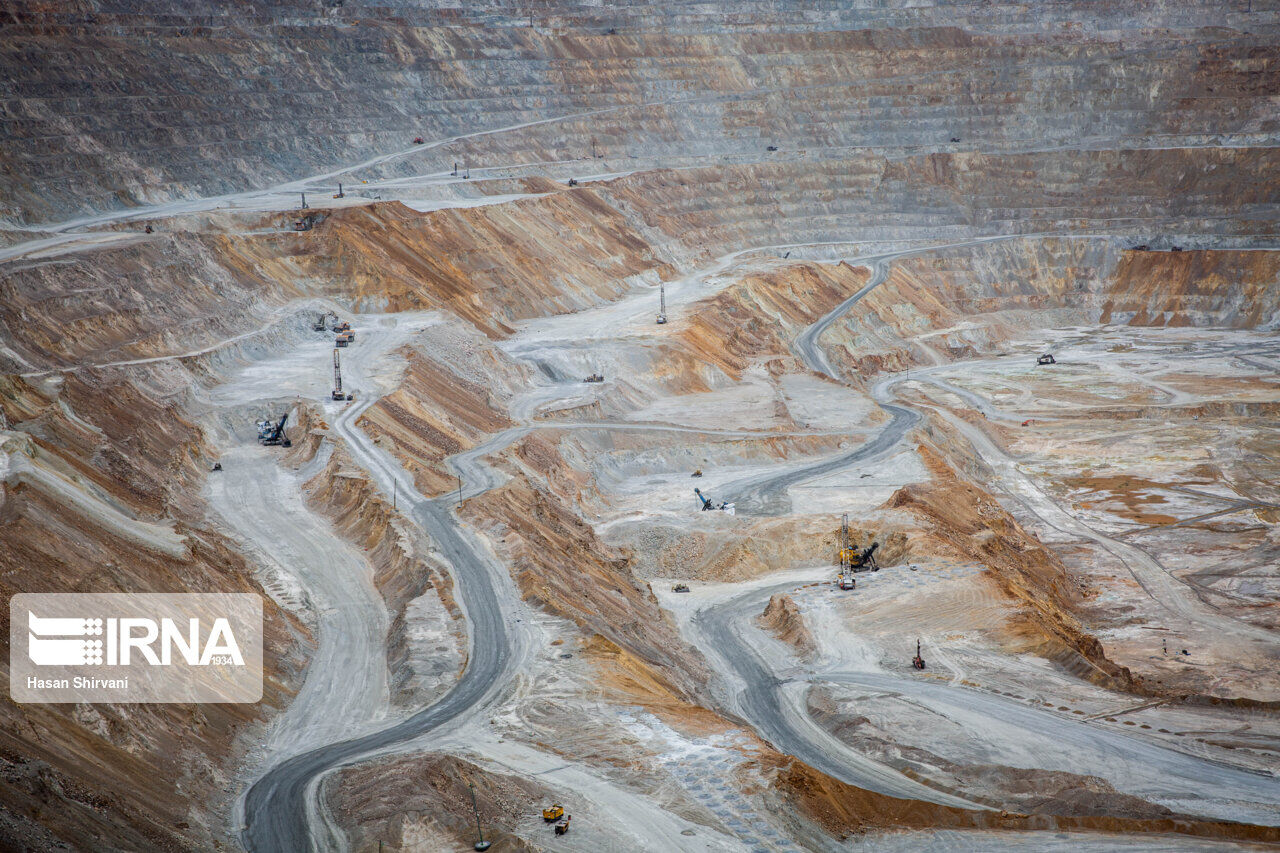
2) Shadan Gold Mine (South Khorasan) – Eastern Iran’s “new supply” story
Shadan, in South Khorasan province (eastern Iran), has become a headline mine because of a newly validated vein discovery that significantly expands the mine’s potential.
Why Shadan matters
-
It contains both oxide and sulphide gold ores.
-
Oxide ore is typically cheaper/easier to process.
-
Sulphide ore is harder and needs more complex processing – higher cost, but it can also mean larger-scale industrial value if economics work.
“The newly identified reserves include approximately 7.95 million tonnes of oxide gold ore and 53.1 million tonnes of sulphide gold ore.” – Source
Investor takeaway: Discoveries like this don’t instantly flood the market with gold – but they can shift expectations, future capex, and long-term supply assumptions.
3) Takab region mines (West Azerbaijan) – historically prominent producing area
The Takab area has long been associated with Iranian gold mining activity. These regions matter because they tend to have:
-
established mining know-how,
-
existing processing infrastructure,
-
and continued exploration attention.
The “Hidden Source”: Gold From Iran’s Copper Giants
Iran doesn’t just mine gold directly. A meaningful part of production can come from copper complexes where gold shows up as a coproduct in the ore body.
Sarcheshmeh Copper Complex (Kerman) – gold as a coproduct
One of the most cited examples is Sarcheshmeh in Kerman province – famous primarily for copper, but also noted for gold recovery during processing.
This is a big deal because it means:
-
Iran can increase gold output without opening a brand-new gold mine
-
production is tied to copper economics and refinery throughput
Sungun Copper Mine (East Azerbaijan) – another large copper system with broader mineral value
Sungun is another major copper site. Large porphyry copper systems like these often carry associated metals – so when processing scales up, by-product recovery becomes more attractive.
How Much Gold Does Iran Have? (Reserves vs. Production)
Reserves are not the same as annual production. Reserves are what’s believed to exist and be economically extractable (proven/estimated), while production is what actually comes out each year.
“Iran’s below-ground gold reserves were estimated at 320 metric tons as of 2012.” – Source
What this means for you: Gold is still scarce, slow to produce, and expensive to develop. That’s why gold remains a global store of value – and why Indians keep coming back to it in every inflation cycle.
To understand how price reacts over time, don’t just check today’s rate – watch the trend. Use a gold price chart to see the bigger picture.
Why Iran’s Gold Story Impacts Indian Investors
Even if you never buy “Iranian gold,” Iran still matters to the global narrative because:
-
sanctions can distort trade flows,
-
regional conflict can spike safe-haven demand,
-
and headlines about “major discoveries” can move sentiment.
But the real investor advantage isn’t predicting headlines – it’s building a repeatable system.
That’s where OroPocket fits perfectly:
-
Start from ₹1 (no “I’ll invest when I have 10k” excuses)
-
Buy in under 30 seconds via UPI
-
Your gold is 24K, vaulted, insured, and handled via authorized partners
-
And you earn free Bitcoin (Satoshi) cashback on every purchase – two assets for the price of one
In short: gold for stability + Bitcoin rewards for upside – without the complexity of trading crypto.
Visual Summary: Where Iran Gets Gold From
Final Verdict: Don’t Just Learn About Gold – Start Owning It
Iran gets gold from major mines like Zarshouran and Shadan, and from copper mega-projects where gold is recovered as a by-product. The supply story is real – but it’s slow-moving, capital-intensive, and influenced by geopolitics.
Your move as an Indian retail investor is simpler:
-
Start small
-
Stay consistent
-
Let time do the heavy lifting
If you’re serious about beating inflation without stress, start with OroPocket:
-
invest from ₹1
-
pay via UPI instantly
-
and earn free Bitcoin on every buy
Stop watching. Start growing – today. Track the current gold price and begin your first ₹1 purchase.