
Digital Gold vs Physical Gold: Price, Safety, and Liquidity Compared in India [2026]


Introduction: Digital vs Physical Gold in India (2026)
Gold prices are near record highs in 2026, inflation keeps eroding idle cash, and UPI-native investing has made it effortless to buy assets in seconds. That’s why the digital gold vs physical gold decision matters now more than ever. Both give you exposure to gold’s price, but they diverge sharply on costs, safety, liquidity, and real-world use cases.
“Indian households hold around 25,000 tonnes of gold – one of the largest private holdings globally.” – Source
In short:
-
What they share: both track the same underlying metal and benefit from gold’s price moves.
-
Where they differ:
-
Costs: jewellery making charges and spreads vs. low, transparent platform fees.
-
Safety: self-storage and theft risk vs. insured, professional vaulting.
-
Liquidity: negotiated in-store resale vs. instant app-based selling.
-
Use-cases: culture/ceremony vs. systematic accumulation and fast redemption.
-
Considering digital gold? OroPocket lets you start from ₹1 with instant UPI, 24K insured vaulting – and you earn Bitcoin rewards on every buy.
Comparison at a glance (quick table)
|
Feature |
Digital Gold |
Physical Gold |
|---|---|---|
|
Purity |
24K (99.9%/999) investment-grade |
Jewellery often 22K (91.6%); coins/bars 24K |
|
Minimum ticket size |
₹1–₹100 (fractional grams) |
Typically ≥1g coin/bar (~₹6,000–₹8,000+), jewellery much higher |
|
Typical costs/premiums |
3% GST + small spread/platform fee; no making charges |
3% GST + 8–25% making charges (jewellery) or 1–10% (coins/bars) |
|
Liquidity speed |
Instant app sell at live rates (funds T+0–T+2) |
In-person resale; purity testing; possible deductions; time-consuming |
|
Storage/insurance |
Professional, insured vaults included |
Self-managed at home or bank locker (fees, theft risk) |
|
Regulation |
Operates under platform custody norms; not an exchange-listed security |
Consumer protections (BIS hallmarking, GST) but self-custody risks |
|
Best use cases |
Systematic accumulation, emergency liquidity, goal-based saving |
Cultural wear/gifting, heirlooms, ceremonial needs |
Who this guide is for
-
First-time investors looking for a simple start
-
Salary earners seeking an inflation hedge beyond savings accounts/FDs
-
Gold gifters who still value physical coins/jewellery
-
Bitcoin-curious but risk-averse savers who prefer rewards over direct crypto exposure
Key takeaway
Use digital gold for accumulation and liquidity efficiency; keep physical gold for cultural wear, gifting, and ceremonies. If you choose digital, compare platforms on custody (who stores the gold), fees/spreads, and value-add features like rewards – OroPocket offers ₹1 entry, instant UPI, insured vaulting, and Bitcoin cashback on every purchase.
Total Cost of Ownership (TCO): What You Really Pay
Every rupee counts. Beyond the headline “gold rate,” your total cost of ownership (TCO) includes premiums, taxes, storage, insurance, and – most ignored – resale realization. Here’s the full picture so you don’t overpay.
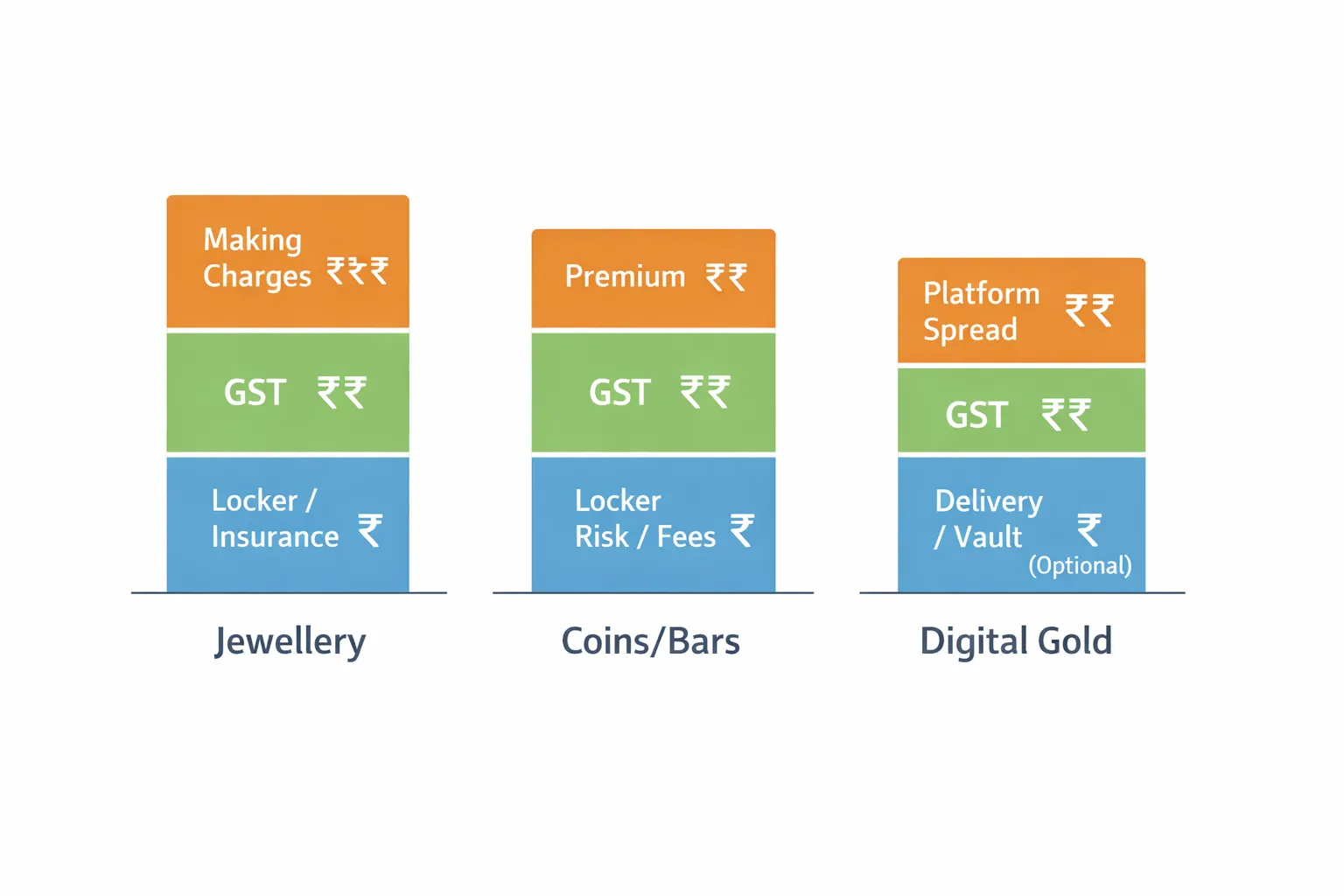
Physical Gold (Jewellery): The Costly Beauty
-
Making charges: typically 8–25% of gold value depending on design/brand.
-
Wastage/melting deductions: can apply at resale, lowering net grams realized.
-
GST: 3% on gold value + 5% on making charges.
-
Storage: bank locker rent ₹2,000–₹15,000 per year; home storage has theft risk.
-
Insurance: optional and extra; policies vary.
Result: High upfront premium plus possible deductions at exit. Great for wear and gifting, not optimal for pure investment returns.
Physical Gold (Coins/Bars): Cleaner, But Not Free
-
Premium: 1–10% over spot for minting/retail margins.
-
GST: 3% on purchase price.
-
Storage: at home (risk) or locker fees if you choose a bank locker.
-
Insurance: optional add-on.
Result: Better than jewellery for investment; still carries storage/insurance considerations and resale negotiation.
Digital Gold: Transparent Pricing, Bundled Storage
-
Price basis: live market price + disclosed platform spread.
-
GST: 3% on purchase.
-
Storage/insurance: bundled with custody; often free for initial years; nominal vaulting fee may apply after.
-
Delivery: optional; minting/shipping costs apply only if you request physical coins/bars.
Result: Lower friction for accumulation and selling; costs are visible upfront and exits use consistent, disclosed spreads.
The Hidden Cost Most People Miss
-
Poor resale realization: Physical resale often includes discounts, buyback cuts, purity testing haircuts, and time costs.
-
Digital spreads are disclosed and consistent, so you know your net exit price instantly.
Smart Buyer Checklist (Put it in Writing)
-
What’s the buy-sell spread today?
-
Exact making charges/premiums (and GST on them)?
-
Delivery/minting fees (if you plan to take coins/bars)?
-
Vaulting/insurance fee policy after the free period (if any)?
-
Buyback rules and timelines?
A Quick Word on SGBs/ETFs/EGRs (Out of Scope, For Context Only)
-
SGBs: No GST on purchase, interest income taxable, potential capital gains benefit at maturity.
-
Gold ETFs: Expense ratio instead of making charges; no GST on unit purchase; brokerage + STT/charges apply.
-
EGRs: Exchange-traded receipts backed by physical gold; exchange fees and brokerage apply; no GST on trading units.
Bottom line: For pure investing, minimize non-gold costs. Digital gold keeps costs transparent and storage insured; coins/bars reduce making charges versus jewellery; jewellery is best reserved for cultural wear and gifting.
Liquidity and Price Realisation: How Fast, How Much
Liquidity isn’t just “can I sell?” – it’s “how quickly, and at what net price?” Here’s how selling works in practice.
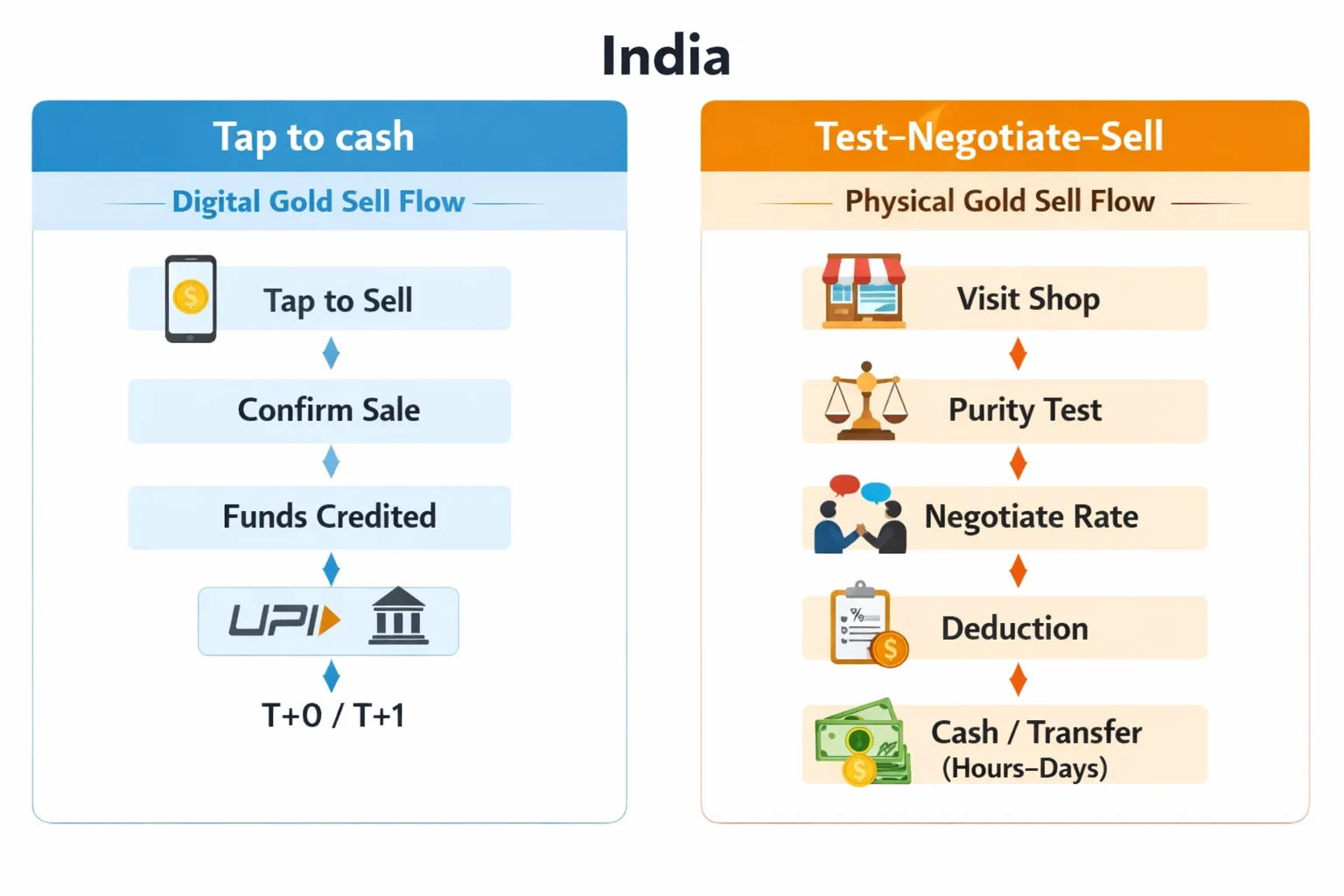
What Happens When You Sell
-
Physical (coins/bars/jewellery)
-
Visit a jeweller or dealer.
-
Purity testing (fire/ultrasound/XRF); can take time.
-
Negotiation on rate; deductions for making/wastage/melting may apply.
-
Payment via cash/bank transfer; timing varies by shop and city.
-
-
Digital
-
Open the app, enter grams or ₹ value.
-
See disclosed live sell spread; confirm order.
-
Funds settle to bank same day or next business day.
-
24/7 order placement; execution during market hours.
-
Small-Ticket Advantage
-
Digital: Fractional selling to 0.001g. Sell exactly what you need – for a bill, EMI, or emergency – without breaking a coin or parting with a whole ornament.
-
Physical: Must sell whole units; partial liquidation usually not possible.
Use-Case Snapshots
-
Urgent cash need today: Digital wins with tap-to-sell and T+0/T+1 settlement.
-
Paying a bill next week: Digital lets you liquidate a small slice (e.g., 0.15g) instead of a full 1g coin.
-
Large lump-sum liquidation: Digital gives transparent, disclosed spreads at scale; physical can work but expect testing and rate negotiation.
Practical Tip
Compare platform sell spreads at the time you intend to sell – not just buy spreads. Your exit price determines your real return.
Safety, Custody, and Counterparty Risk
“Indian households hold the vast majority of their gold at home as jewellery; total private holdings are ~34,600 tonnes.” – Source
Physical risks (you hold it, you insure it)
-
Theft, loss, disaster, damage: Home storage is convenient but vulnerable. Insurance may exclude full-value coverage or require add-ons – always read the fine print.
-
Bank lockers: Reduce theft risk but add recurring fees and access limits. Contents aren’t insured by the bank; liability is limited per locker agreements and SOPs.
-
Resale purity disputes: Even hallmarked jewellery can be re-tested; deductions can apply.
“Over 60 crore gold articles have been hallmarked with HUID since 1 July 2021 – enhancing traceability and purity confidence for buyers.” – Source
Digital risks (platform and custody design matters)
-
Platform/custodian risk: Choose providers with segregated, off-balance-sheet custody so your gold isn’t a corporate asset.
-
Independent trusteeship: A third-party trustee should oversee gold holdings, reconciliation, and investor rights.
-
Reputable vault operators: Look for named, audited vaults; ask who stores the metal and under what insurance.
-
Cyber/ops risk: Use 2FA, strong passwords; ensure robust platform security and clear service-level policies.
What insured vaulting actually covers
-
Storage insurance: Covers the metal while it’s in the professional vault.
-
Transit insurance: Covers shipment during physical delivery/return.
-
Not covered: Market price movements, user account compromise, or policy exclusions – review terms. Regular third-party audits (weight, purity, reconciliation) validate 1:1 backing and reduce operational risk.
Red flags to avoid
-
Unclear ownership structure (no explicit client title to gold).
-
No independent trustee; assets co-mingled with company balance sheet.
-
Opaque pricing/spreads; no live-rate transparency.
-
No disclosure of vault operator or audit cadence.
-
No physical delivery option; no documented buyback process.
OroPocket’s model (high level)
-
RBI-compliant partners, authorized bullion counterparties.
-
100% insured, professionally vaulted 24K gold with clear custody.
-
Instant UPI payments for seamless buys/sells.
-
Transparent pricing and simple exits – designed for safe, modern gold accumulation.
Purity and Verification: 24K vs 22K, HUID and Assay
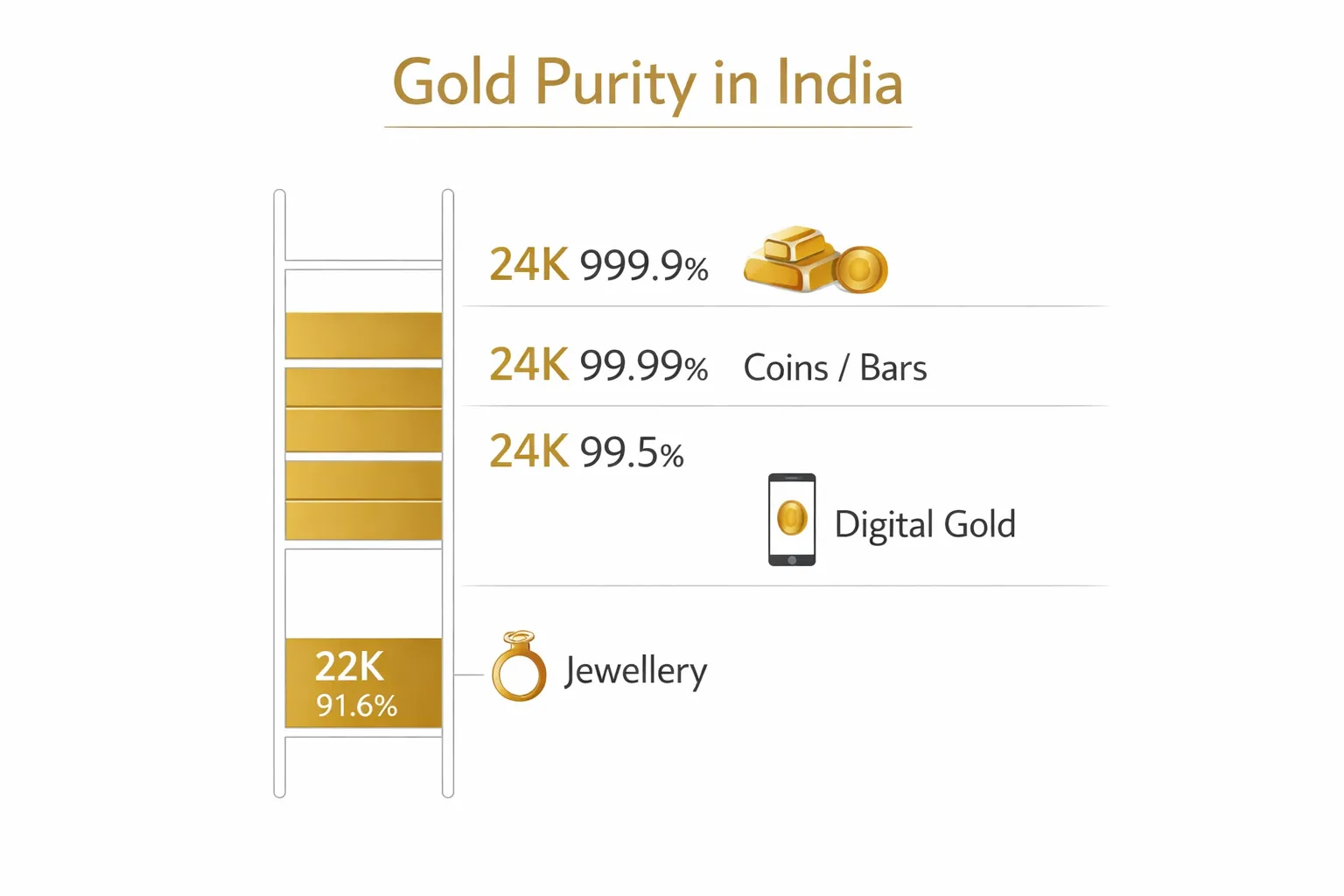
Jewellery vs Investment-Grade
-
22K (91.6%): Common for jewellery to improve durability; not ideal for pure investment due to lower fineness and making charges.
-
24K (99.5/99.9/999.9): Investment-grade for coins, bars, and most digital gold; maximizes metal content per rupee.
BIS Hallmarking and HUID: What It Ensures (and What It Doesn’t)
“Every hallmarked gold item carries a unique six-digit alphanumeric HUID that buyers can verify via the BIS CARE app – strengthening purity assurance.” – Source
-
Ensures: Stated fineness, traceability (HUID), and testing at authorized Assaying & Hallmarking Centres.
-
Doesn’t cover: Future wear/tear, resale deductions, or market price risk.
Coins/Bars: Assay and Weight Tolerance
-
Insist on assay certificate (refiner/mint-sealed packaging) for 24K coins/bars.
-
Check negative-weight tolerance policies; prefer zero or positive tolerance so you receive at least the stated grams.
Digital Gold: Fineness, Audits, Delivery Assay
-
Platform-declared fineness (995/999/999.9) with independent vault audits for backing and reconciliation.
-
If you opt for delivery, expect tamper-evident packaging with assay certification.
Quick Purity Checklist
-
Purity mark (e.g., 22K, 24K 999)
-
HUID on jewellery; verify in BIS CARE app
-
Detailed invoice with fineness, weight, and charges
-
Weight tolerance clearly stated (zero/positive preferred)
-
Documented buyback policy (spreads, deductions, timelines)
Regulation and Taxes (India, 2026): What Stays the Same
Tax parity: physical and digital gold
-
Short-Term Capital Gains (STCG): If you sell within 3 years, gains are taxed as per your income-tax slab.
-
Long-Term Capital Gains (LTCG): If you sell after 3 years, gains are taxed at 20% with indexation benefits.
-
Applies equally to physical gold (jewellery/coins/bars) and digital gold.
GST treatment
-
Purchase: 3% GST on the gold value for both digital and physical.
-
Jewellery add-on: 5% GST applies on making charges (in addition to 3% on gold value).
-
Sale: No GST on selling back to a platform/dealer; GST is only on purchase.
Regulatory status and alternatives
-
Digital gold: Not directly regulated by SEBI/RBI. Reputable platforms operate with authorized bullion partners, independent trusteeship, professional insured vaulting, and regular audits to safeguard client assets.
-
Alternatives with formal regulation:
-
Gold ETFs: SEBI-regulated mutual fund units tracking gold; expense ratio and brokerage apply.
-
Sovereign Gold Bonds (SGBs): RBI-backed; interest taxable; potential capital gains benefit at redemption.
-
Electronic Gold Receipts (EGRs): SEBI-regulated, exchange-traded warehouse receipts representing gold.
-
Record-keeping tips for smooth tax filing
-
Keep invoices for every purchase (purity, grams, rate, GST details).
-
Store HUID records for jewellery and any hallmarking certificates.
-
Maintain app statements and contract notes for digital gold buys/sells.
-
Preserve bank proofs (UPI/IMPS/NEFT) that match transaction IDs.
-
Track holding periods per lot to apply the correct STCG/LTCG rules.
Disclaimer
Tax rules can change and individual circumstances vary. Consult a qualified tax advisor for personal guidance before making buy/sell decisions.
Real-World Use Cases: Pick the Right Tool for the Job
Monthly accumulation on a salary
-
Why digital wins: Fractional buys (₹1 onward) + UPI-native checkout let you invest the moment salary hits. No locker, no bargaining, no minimum bar size – just consistent, automated accumulation.
-
Habit building: Set weekly/monthly auto-buys to average your cost over time. With OroPocket, streaks and Bitcoin rewards nudge you to stay consistent – turning saving into a rewarding habit.
Emergency fund topper
-
Use digital gold as a “buffer” above your cash emergency fund. Need ₹1,500 for a bill? Sell 0.15g instantly instead of breaking a 1g coin or a bangle. Orders place 24/7 and settle same/next business day – critical when time matters.
Wedding in 6–12 months
-
Strategy: Accumulate digitally for 6–10 months to avoid early making charges. Convert only what you’ll wear/gift closer to the event.
-
Tips:
-
Plan denominations (coins/bars) to match gifts/outfits.
-
Account for delivery timelines and minting/packaging fees.
-
Keep the rest digital for liquidity and post-event adjustments.
-
Gifting today
-
Ceremonial value wins: A physical coin or jewellery piece makes the moment. For last-minute or out-of-city gifting, you can still accumulate digitally and convert later – but if it’s today, go physical.
Parents building long-term heirlooms
-
Blend approach: Keep heirloom pieces (mangalsutra, kadas) physical. Build the “investment” portion digitally to cut locker rent, reduce theft risk, and simplify tracking/audits. Convert selected grams to coins/jewellery for milestones.
Rule-of-thumb allocations
-
60–80% Digital Gold (investment grade, fast liquidity, fractional exits)
-
20–40% Physical Gold (culture, ceremony, heirlooms)
-
Adjust by goal and timeline:
-
Younger, savings-focused: 70–80% digital
-
Near-term ceremony: tilt more physical temporarily
-
Tight cash flows: prioritize digital for small, frequent buys
-
Practical checklist before you choose:
-
Digital: Compare sell spreads (not just buy), custody (independent trustee, insured vaults), delivery fees, and any vaulting fee after free storage.
-
Physical: Check BIS hallmark + HUID, invoice details, buyback policy (deductions, testing, timelines), and locker/insurance costs.
Bottom line: For pure investing efficiency in India, digital gold outperforms on entry price, liquidity speed, and transparency. Keep physical gold for culture and ceremonies – use digital to power everything else.
Digital Gold Platforms: OroPocket vs Leading Alternatives (Head-to-Head)
Same metal, different experience. Comparing platforms matters because fees, custody, delivery, and rewards can change what you actually earn – and how easy it feels to build the habit.
How we compare
-
Minimum investment
-
Payment rails (UPI)
-
Custody and trustee clarity
-
Physical delivery options
-
Fees/spreads transparency
-
Rewards, gamification, referral benefits
Platform snapshots
-
OroPocket: ₹1 entry, instant UPI, insured vaulting, send/gift gold, daily streaks, spin-to-win, referral rewards, and Bitcoin cashback on every purchase.
-
SafeGold: B2B-powered retail access via partners; reputed vaulting and audits; strong physical delivery stack.
-
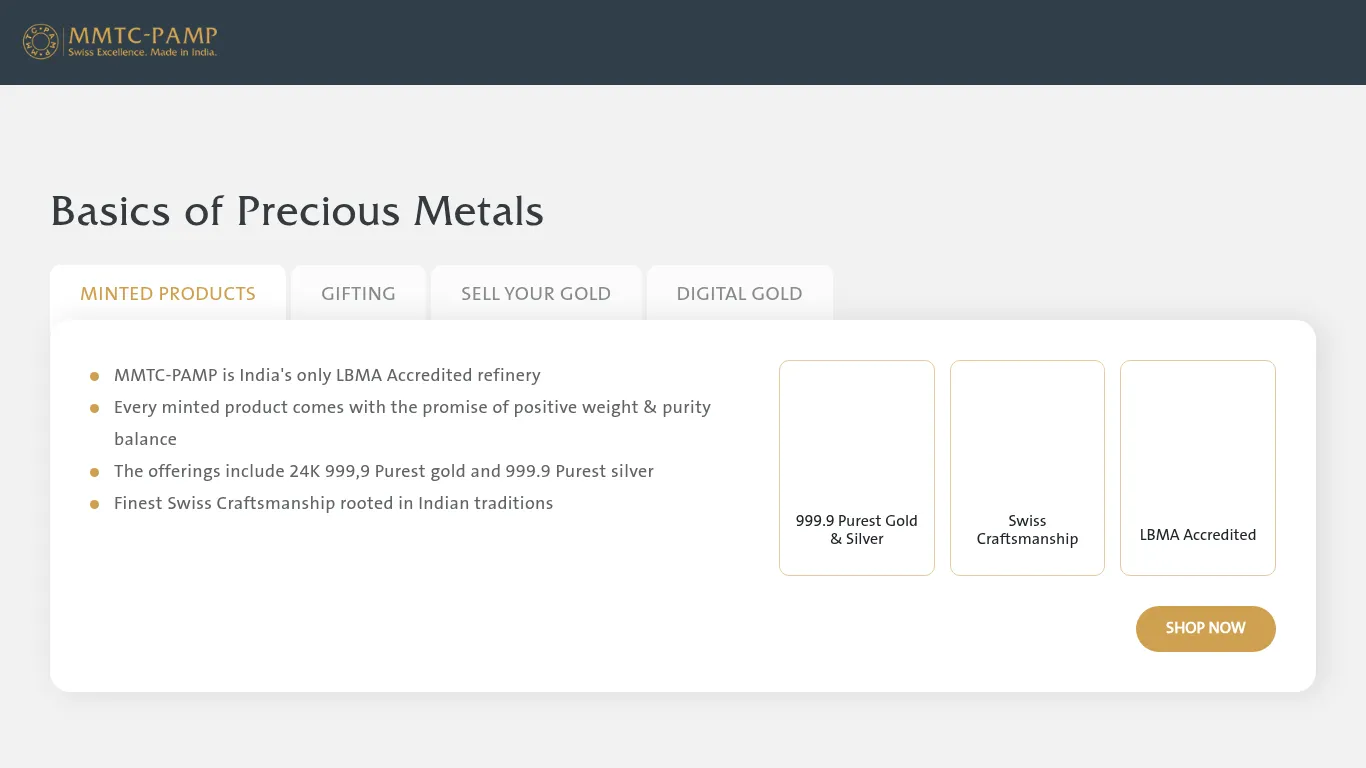
MMTC-PAMP: Global refiner brand with direct-to-consumer experience and robust coin/bar delivery footprint.
-
Augmont: Integrated platform with digital gold, doorstep delivery, SIP/EMI features, and ecosystem scale.
Platform comparison (at a glance)
|
Platform |
Minimum Ticket |
UPI Support |
Custody/Trustee Clarity |
Physical Delivery |
Rewards/Gamification/Referral |
Fees/Spreads Transparency |
|---|---|---|---|---|---|---|
|
OroPocket |
₹1 |
Yes (instant UPI) |
Insured vaulting with authorized partners; clear segregation |
Yes (coins/bars on request) |
Bitcoin cashback, daily streaks, spin-to-win, referral rewards |
Disclosed live pricing and spreads |
|
SafeGold |
Varies by partner (typically low) |
Yes (via partner apps) |
Independent trustee with reputed vault operators |
Yes (wide choice via partners) |
Partner-led offers; primarily utility-driven |
Live rates and disclosed fees (via partners) |
|
MMTC-PAMP |
Typically 0.5–1g+ |
Yes (supported methods) |
In-house/global refiner custody; brand-backed assurance |
Strong D2C delivery footprint |
Brand/seasonal offers; focus on bullion quality |
Brand-published pricing; transparent delivery fees |
|
Augmont |
Low entry (app/platform) |
Yes |
Integrated custody across ecosystem; audited |
Doorstep delivery |
SIP/EMI features; occasional rewards |
App shows live prices; fees disclosed |
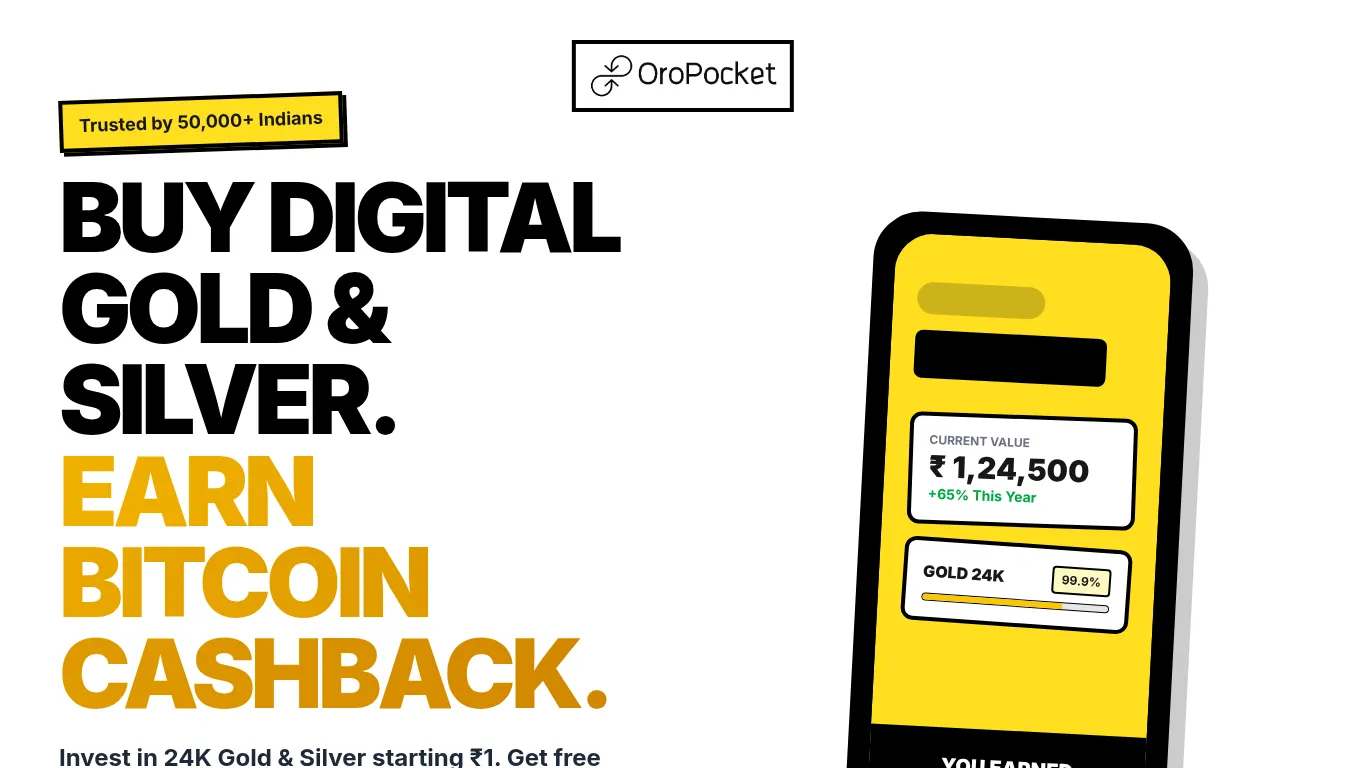
Screenshots (for orientation)
Which one suits you best?
-
Micro-investing + habit formation: OroPocket shines with ₹1 entry, instant UPI, rewards, and gamification – ideal for salary SIPs and first-time savers.
-
Branded bullion and delivery-first buyers: MMTC-PAMP is a strong pick for premium coins/bars and gifting.
-
Broad partner access and reliable delivery via multiple apps: SafeGold works well if you prefer buying within your existing financial super-apps.
-
Ecosystem tools, SIP/EMI flexibility, and retail network: Augmont suits users who want an all-in-one gold stack with doorstep fulfillment.
Bottom line: If you want to build gold consistently with low entry barriers and get extra value every time you buy, OroPocket’s Bitcoin cashback, streaks, and instant UPI make it a compelling default. For delivery-led or brand-centric purchases, MMTC-PAMP and Augmont provide robust alternatives, while SafeGold underpins many partner experiences with trusted custody.
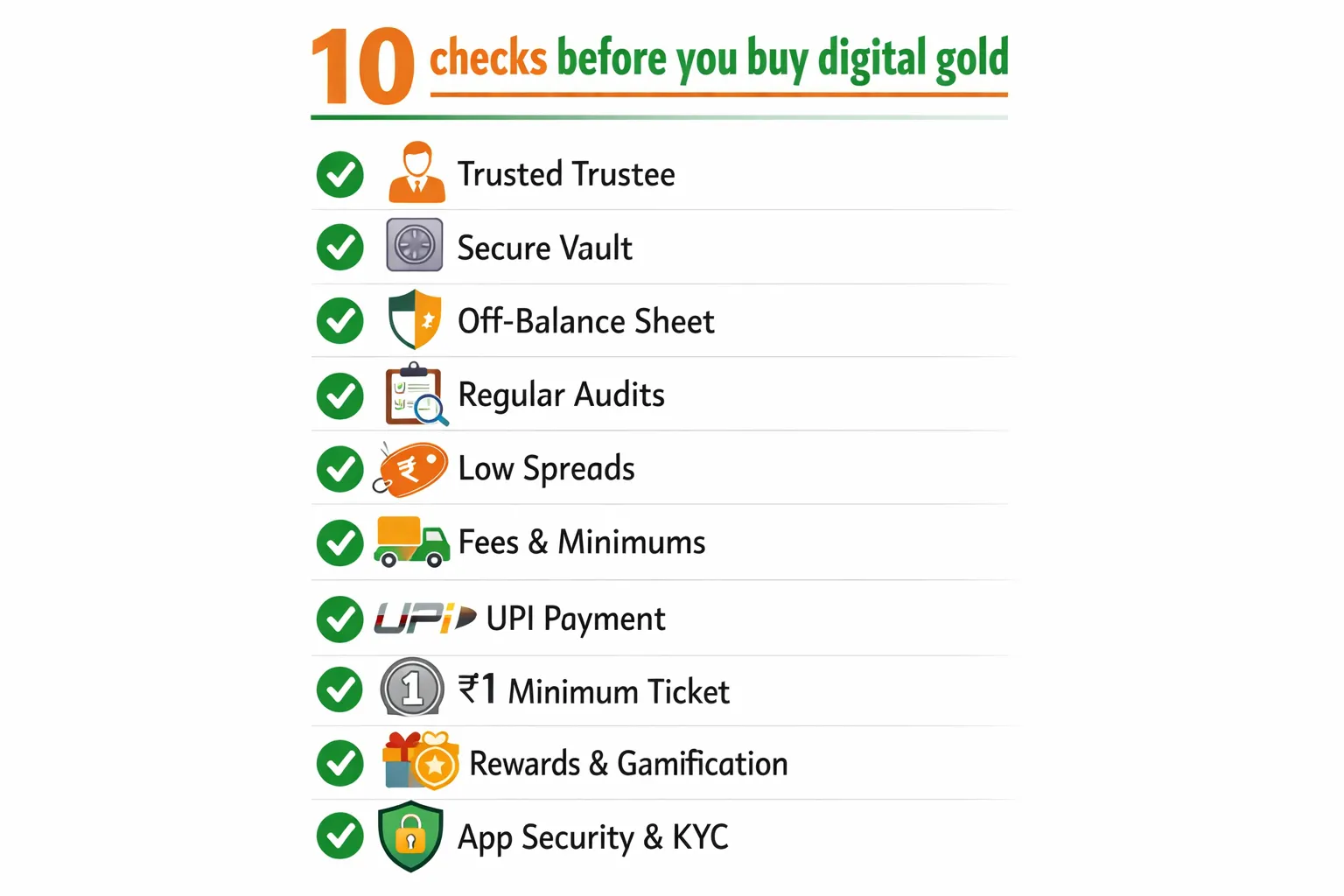
How to Choose a Digital Gold Provider (10-Point Checklist)
-
Independent trustee oversight for investor holdings
-
Named, reputable vault operator (with insurance details)
-
Off-balance-sheet custody (your gold is ring-fenced)
-
Regular third-party audits (weight, purity, reconciliation)
-
Disclosed buy/sell spreads in real time
-
Clear delivery fees and minimum denominations
-
UPI-native checkout and fast settlements (T+0/T+1)
-
Low minimum ticket size (₹1/₹10) for fractional investing
-
Rewards/gamification/referrals if habit-building matters to you
-
Strong app security (2FA), KYC compliance, responsive support SLAs
One-minute self-assessment:
-
Cost-prioritiser: Pick the lowest spread + transparent fees.
-
Liquidity-seeker: Focus on sell spreads and settlement speed.
-
Rewards-motivated: Look for cashback, streaks, referrals.
-
Delivery-first buyer: Confirm delivery timelines, denominations, and minting/packaging fees.
Hybrid Strategy: When to Blend Digital and Physical
A blended approach gives you the best of both worlds – cost-efficient accumulation and cultural utility – without overpaying where it isn’t needed.
Core–satellite allocation
-
Core (60–70% Digital): Use digital gold as the engine of your plan – SIPs, weekly auto-buys, and quick liquidity when markets move or bills arrive. This optimizes cost, reduces storage hassles, and keeps exits transparent.
-
Satellite (30–40% Physical): Reserve this for culture, ceremony, gifting, and heirlooms. Focus on pieces you’ll actually wear or present, not just “store.”
Why it works: The core compounds quietly and is easy to rebalance; the satellite preserves tradition and sentiment without dragging overall returns.
Sequence plan (to avoid unnecessary costs)
-
Accumulate first, convert later: Build grams digitally month after month. Convert only what you need to coins/bars/jewellery closer to the event date.
-
Time delivery: Schedule minting/packaging and delivery 3–6 weeks before the function; this avoids early making charges and reduces handling/storage risk at home.
-
Denomination planning: Choose coin/bar sizes that match actual gifting requirements so you don’t end up overpaying for re-minting or exchanging.
Risk controls that keep you safe
-
Diversify across providers only if needed: Prefer depth (larger balance with one high-quality custodian) over spreading too thin. If you diversify, do it intentionally for custody/vendor risk – not FOMO.
-
Maintain records meticulously: Keep invoices, HUID details, app statements, and bank proofs. Track lots for tax treatment and clean ownership trails.
-
Insure physical holdings: If you maintain jewellery/coins at home, review dedicated jewellery insurance, safe installation, and locker policies. Match coverage to value and update annually.
Habit systems that make it stick (OroPocket edge)
-
Streaks and SIPs: Automate small buys (₹1 upward) and leverage daily streaks to build consistency without decision fatigue.
-
Rewards that add up: Bitcoin cashback on every purchase, spin-to-win bonuses, and referral rewards (Satoshis + free spins) turn saving into a positive-feedback loop.
-
UPI-native speed: Buy in under 30 seconds and sell with transparent spreads – ideal for both monthly accumulation and quick top-ups to your emergency fund.
Bottom line: Use digital gold for accumulation, flexibility, and price efficiency; convert to physical only when the cultural moment arrives. This hybrid strategy minimizes friction, maximizes control, and keeps your gold working exactly where it matters.
Final Verdict: Which Should You Choose in 2026? (+ Next Steps)
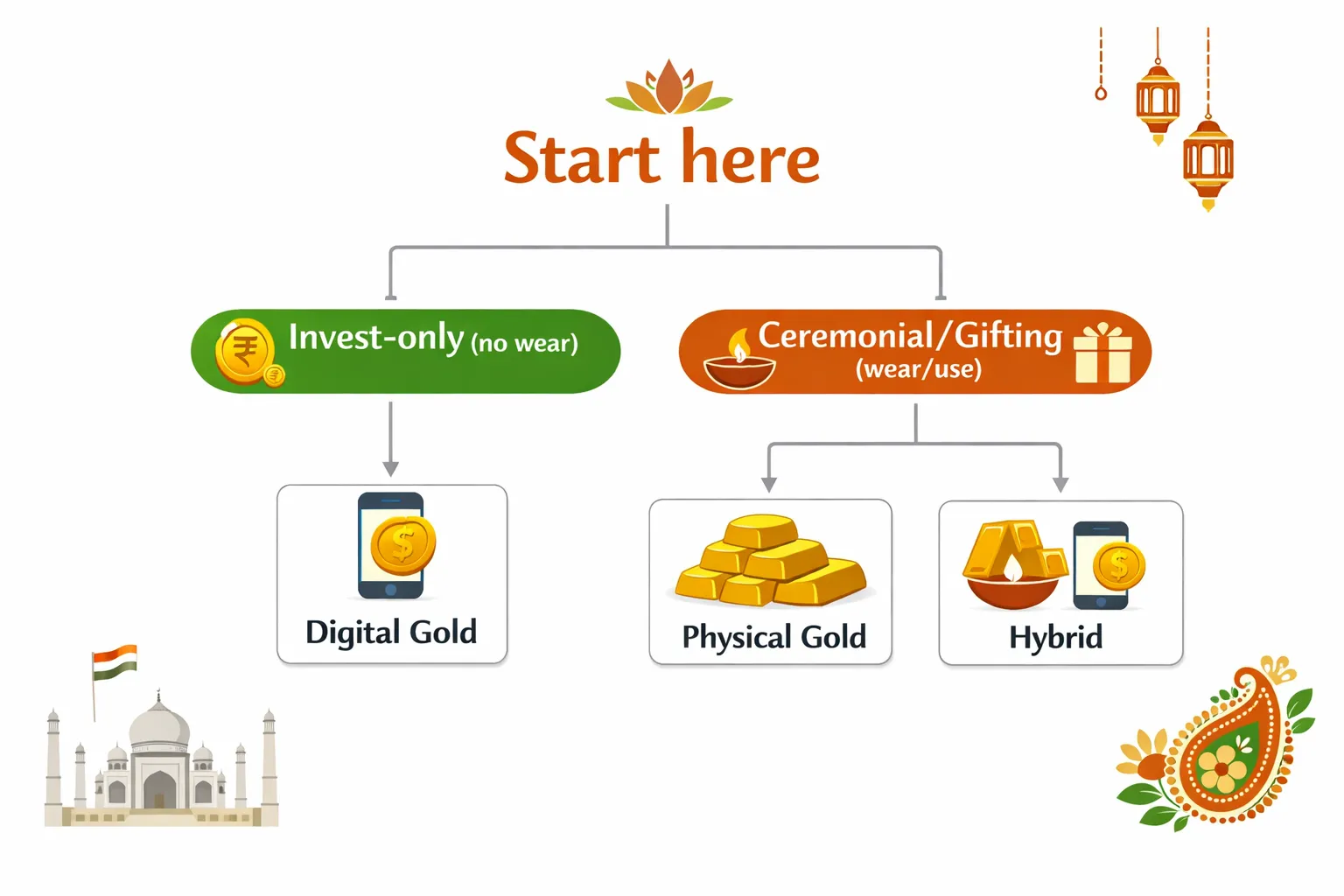
If you want gold’s investment benefits with the least friction, choose digital gold. If you need something to wear or gift now, choose physical.
For most investors, a blended approach wins: use digital for everyday wealth-building and liquidity; keep physical for culture, ceremonies, and legacy.
“Despite record-high prices, India’s jewellery demand remained resilient at 563 tonnes in 2024, underscoring enduring cultural strength.” – Source
Why many readers will prefer OroPocket:
-
₹1 entry so you can start today
-
Instant UPI payments and fast sell settlements
-
Insured 24K gold with trusted custody
-
Unique Bitcoin cashback on every purchase, plus streaks, spin-to-win, and referral rewards to build habits
Next steps (30 seconds to momentum):
-
Make your first digital buy (₹1–₹500) today to get started
-
Set a weekly/monthly SIP for consistent accumulation
-
Plan physical conversion only when you need coins/jewellery for an event
Call to action:
-
Download the OroPocket app and start in under 30 seconds: https://oropocket.com/app