Is Gold a Good Investment? 7 Facts to Decide in 2026 (Plus How Much to Allocate)


Is Gold a Good Investment? 7 Facts to Decide in 2026 (Plus How Much to Allocate)
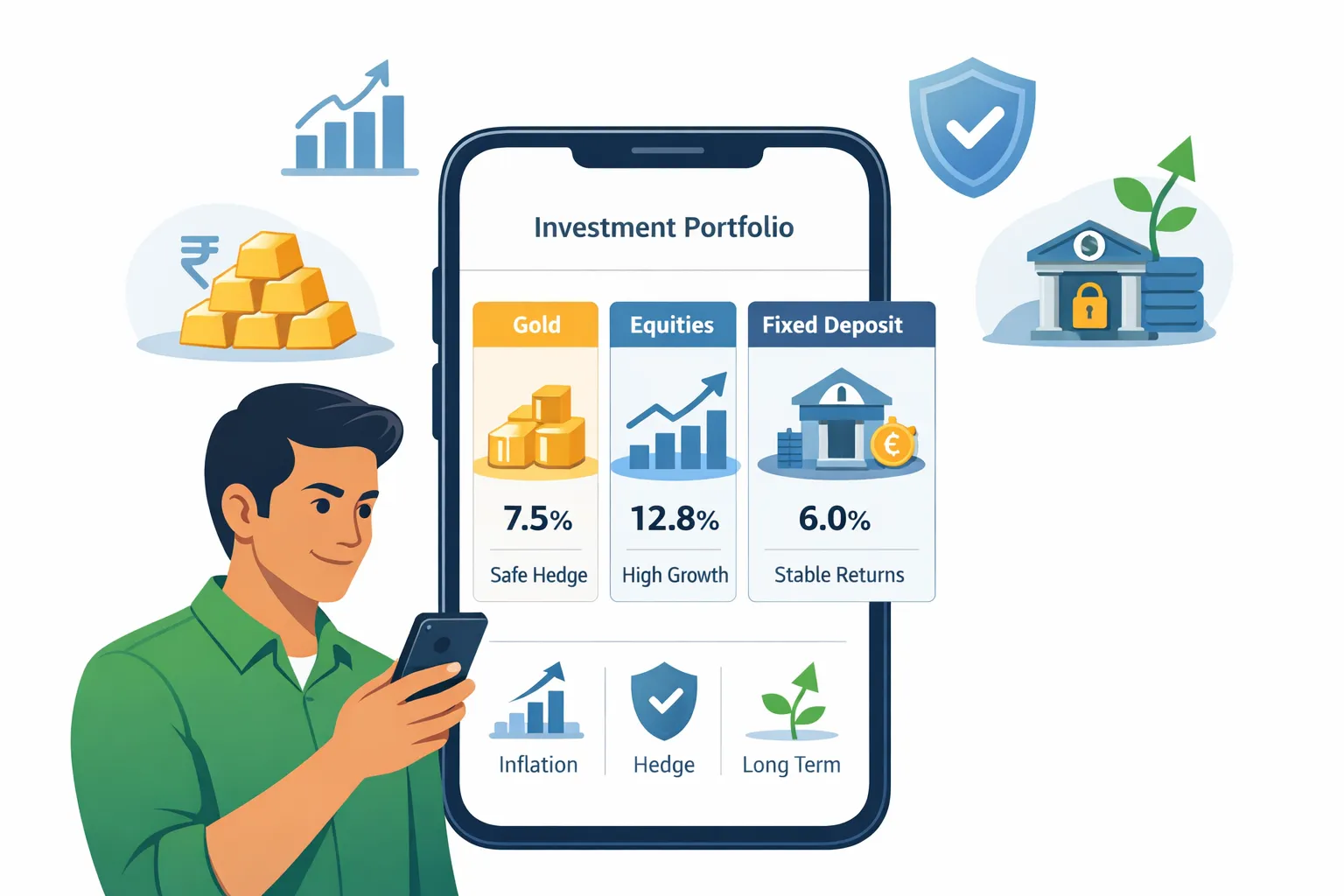
Gold at all-time highs makes people freeze: “Should I buy now or wait?”
The better question is simpler: Does gold deserve a permanent role in your portfolio in 2026?
If you’re a student, salaried professional, small business owner, or a first-time investor in India, you likely want:
-
a simple way to start (no big lump sum),
-
a UPI-first experience,
-
real inflation protection, and
-
ideally… extra rewards for building the habit.
That’s where modern digital gold investing (done right) changes the game. And that’s exactly why we built OroPocket: start from ₹1, buy in seconds, store securely, and earn free Bitcoin rewards on every purchase.
“In 2025, gold prices experienced a significant surge, rising nearly 60% from the beginning of the year.” – AP News
The “2026 Gold” Reality: Don’t speculate. Allocate.
Most competitor articles get one thing right: gold is not for getting rich quick. It’s for:
-
protecting purchasing power,
-
lowering portfolio shocks,
-
and balancing equity-heavy portfolios.
Where they often fall short is actionable decision-making – how much to allocate, which vehicle to use in India, and what costs quietly eat your returns.
If you want a deeper gold-market explainer (drivers, cycles, and smarter investing), read: gold market investment in 2026 – what drives gold prices and how to invest smarter.
How much gold should you allocate in 2026?
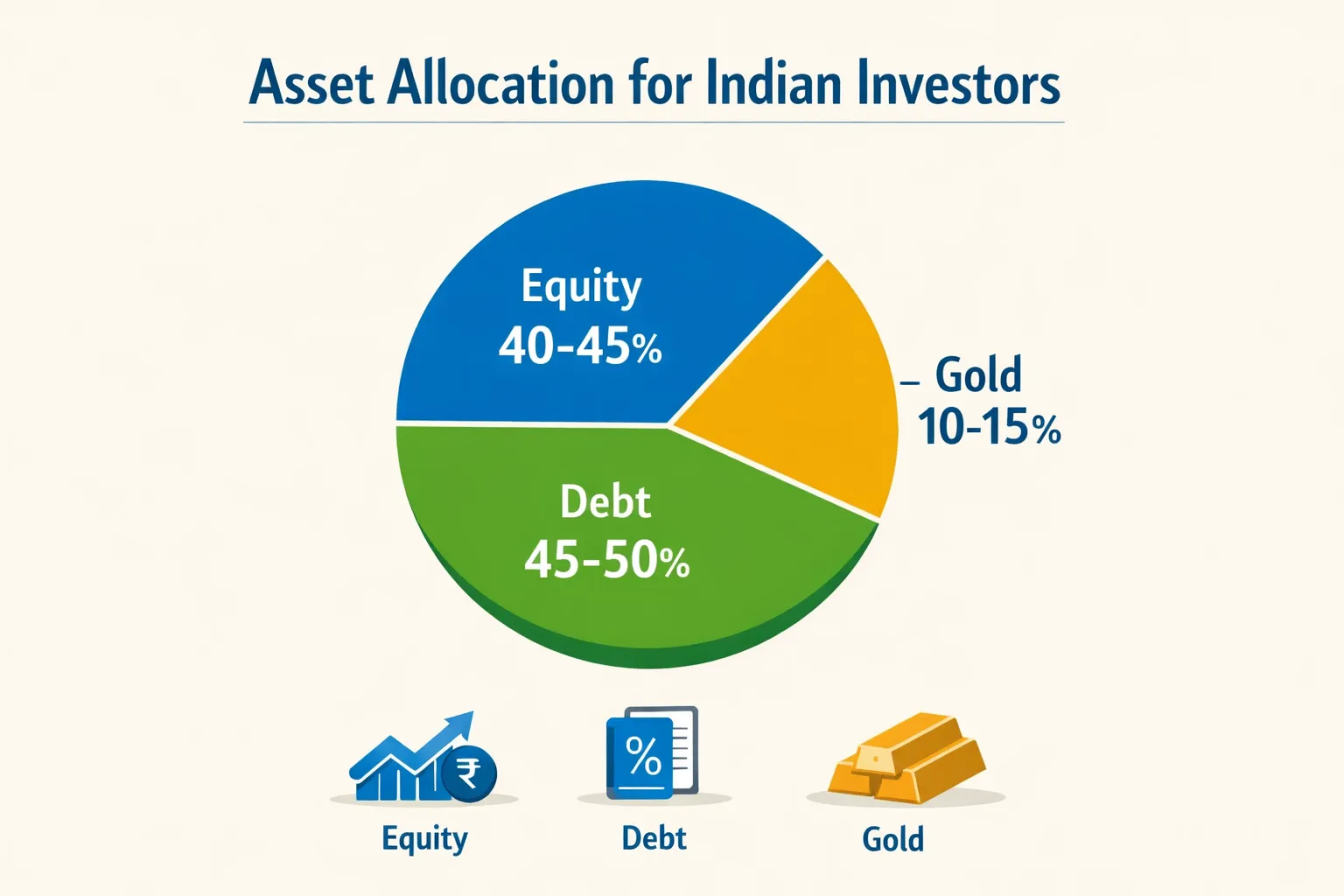
For most Indian retail investors: 10%–15% of the portfolio in gold is a strong “set-and-rebalance” range.
If your equity exposure is very high or you’re close to a goal, you can go a bit higher – but don’t overdo it.
A simple allocation cheat-sheet (India, 2026)
|
Investor type |
Typical gold allocation |
Why it fits |
|---|---|---|
|
Conservative saver (mostly FD/RD/cash) |
5%–10% |
Adds hedge without sacrificing too much liquidity |
|
Balanced long-term investor (equity + debt) |
10%–15% |
Strong diversification, smoother ride |
|
Equity-heavy / aggressive investor |
12%–20% |
Helps manage drawdowns and crisis risk |
|
Short-term hedger (6–18 months) |
0%–10% |
Use cautiously; gold can correct after rallies |
7 facts to decide if gold is a good investment in 2026
1) Gold is “portfolio insurance,” not a growth engine
Gold doesn’t produce cash flows (no dividends, no coupons). That’s not a bug – it’s the point.
Gold’s job:
-
protect when risk assets fall,
-
offer stability when inflation/geopolitics spike,
-
reduce regret in bad years.
Your job: size it correctly, and rebalance.
2) Gold tends to shine in crises, rate cuts, and currency stress
Gold often performs best when:
-
real rates fall,
-
the dollar weakens,
-
geopolitical risk rises,
-
investors flee to safety.
A structural tailwind in recent years has been central bank demand.
“Central banks added 1,044.6 tonnes of gold in 2024 – marking the third consecutive year above 1,000 tonnes.” – World Gold Council
Translation: big institutions are treating gold like strategic reserves, not a trade.
3) Gold can be volatile (especially after big rallies)
A common investor mistake: buying gold only after it’s been on the news for months.
Gold can correct sharply after a fast run-up. So instead of timing:
-
build gradually (monthly buys),
-
stick to an allocation band,
-
rebalance once or twice a year.
If you’re trying to time entries, use a framework: is it a good time to buy gold now? how to decide in India.
4) Gold has long flat periods – your patience is part of the return
Gold isn’t “up-only.” It can do nothing for years, then move fast.
That’s why the smartest use case is a permanent allocation, not a temporary bet.
Rule of thumb: gold works best when you can hold for 5+ years.
5) Your returns depend heavily on how you buy gold (costs matter)
Many articles list options but don’t quantify the friction. Here’s the practical breakdown.
Gold investment options in India (2026)
|
Option |
Best for |
Key costs / trade-offs |
Liquidity |
|---|---|---|---|
|
Jewellery |
consumption + gifting |
making charges, wastage, lower resale value |
medium |
|
Coins/bars (physical) |
long-term holders |
premiums, storage/insurance, purity checks |
medium |
|
Gold ETFs |
demat investors |
expense ratio, brokerage |
high |
|
Gold mutual funds |
no demat |
fund expense + ETF layer |
high |
|
Digital gold (app-based) |
micro-investors, UPI users |
spread + GST on charges (varies) |
high |
|
SGB (if available/secondary market) |
long holding periods |
liquidity/price mismatch, issuance uncertainty |
medium |
Want a clean deep-dive on hidden frictions? Read: digital gold charges in India explained (spreads, GST, storage, selling fees).
6) Taxes can change outcomes – know the basics before you sell
Tax treatment depends on the product and holding period. In general:
-
Physical gold / ETFs / digital gold are usually taxed as capital assets.
-
SGBs historically had special benefits if held to maturity, but new issuance has been inconsistent.
Because tax rules evolve, treat this as orientation – not a substitute for CA advice. The practical move is to:
-
plan for a multi-year horizon, and
-
avoid frequent churn (churn = taxes + spreads).
7) Gold improves your behavior when it’s easy to buy and easy to stick to
This is the gap most competitor articles miss: the biggest edge isn’t prediction – it’s habit.
When investing is hard, people quit. When it’s effortless, people compound.
That’s why OroPocket is designed for real India:
-
Start from ₹1 (no “when I have more money” excuse)
-
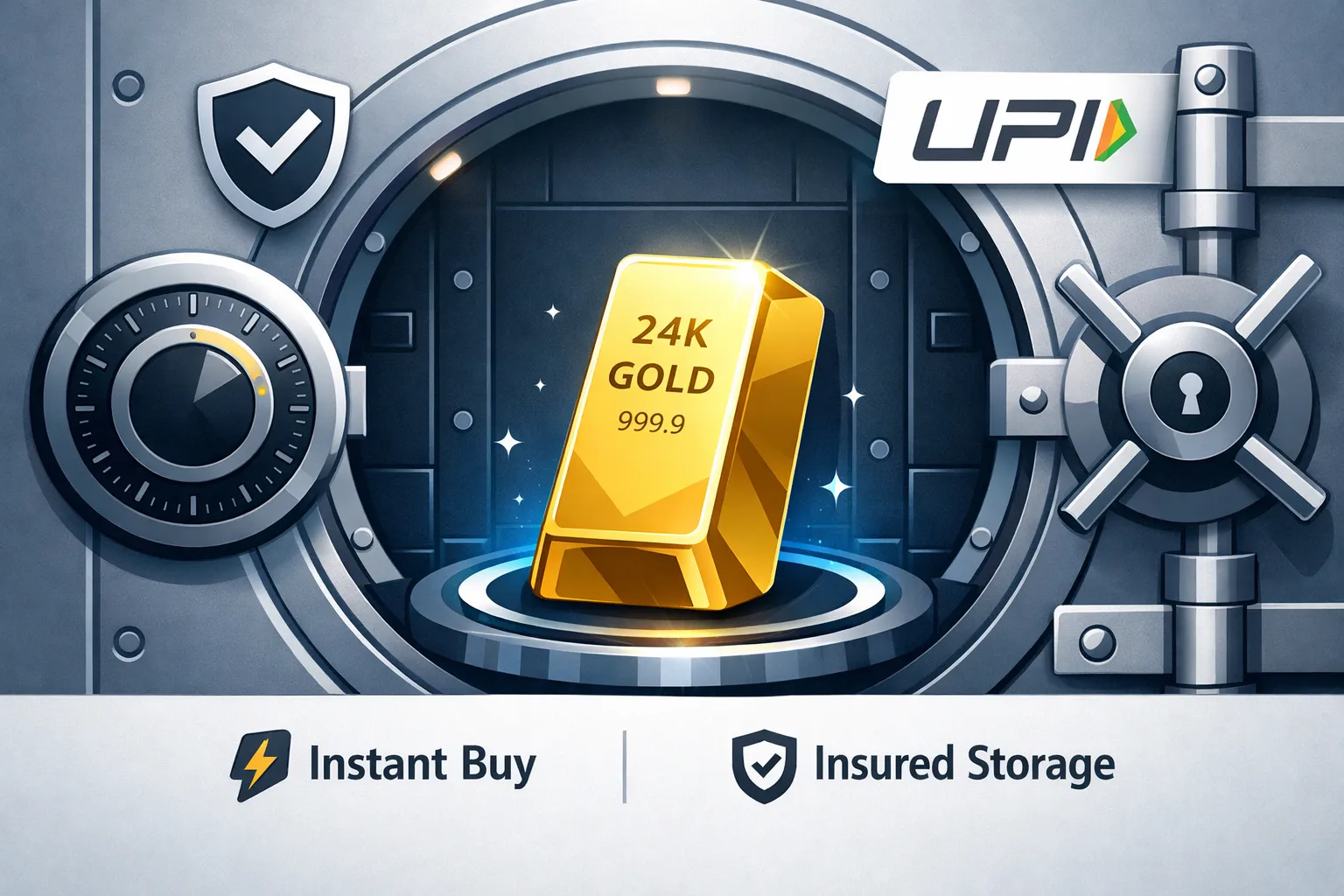
Instant UPI payments (buy in under 30 seconds)
-
100% insured, compliant vault storage
-
Gamified streaks + spin-to-win (build a daily habit)
-
Free Bitcoin (Satoshi) on every gold/silver purchase (two assets, one action)
-
Referral rewards (100 Satoshi + free spin for both)

Best way to invest in gold in 2026 (simple decision guide)
Choose based on your “real” need
-
Want the lowest friction + smallest starting amount? Digital gold (with a trusted platform)
-
Want demat-based price tracking and tight spreads? Gold ETF
-
Want physical possession for cultural reasons? Buy coins/bars (investment-grade), not jewellery
-
Want a “government wrapper”? SGB only if the product terms and liquidity fit you
OroPocket’s sweet spot
If you’re a mass-market saver who wants small, frequent, UPI-based investing – OroPocket is built for you:
-
buy tiny amounts daily/weekly,
-
earn Bitcoin rewards automatically,
-
and grow a real hedge without overthinking it.
3 investor scenarios (and what to do next)
Scenario A: The conservative saver (FD-heavy)
Problem: you’re safe, but inflation is silently winning.
Move: allocate 5%–10% to gold over the next 6–12 months via small buys.
Best fit: OroPocket digital gold (₹1 start, UPI, insured storage).
Scenario B: The long-term equity investor (SIP-heavy)
Problem: your portfolio is strong but can swing hard in crashes.
Move: hold 10%–15% gold and rebalance annually.
Best fit: ETF or digital gold – choose based on whether you want demat or UPI convenience.
Scenario C: The short-term hedger (nervous about 2026 volatility)
Problem: you want protection, but don’t want to gamble.
Move: keep gold at 0%–10%, avoid lump sums, and define an exit rule.
Best fit: small incremental buys, strict allocation cap.
Quick checklist: Should you add gold in 2026?
-
I have an emergency fund (3–6 months expenses)
-
I’m not buying gold “because it’s going up”
-
I have a target allocation (e.g., 10–15%)
-
I will buy gradually and rebalance yearly
-
I understand costs (spreads/expense ratio/storage)
-
I’m choosing the vehicle that matches my liquidity and convenience needs
Final verdict + CTA (OroPocket take)
Yes – gold is a good investment in 2026 when it’s used correctly: as a long-term hedge and stabilizer, sized at ~10–15%, bought gradually, and held with discipline.
Stop watching. Start growing.
If you want the easiest way to build gold exposure in India – from ₹1, using UPI, with insured vault storage, and free Bitcoin rewards on every buy – start with OroPocket and turn “I should invest” into a daily habit.