Return on Gold in Last 10 Years: CAGR, Year-by-Year Table & What It Means for 2026

Return on Gold in Last 10 Years: CAGR, Year-by-Year Table & What It Means for 2026
If you’re searching for “return on gold in last 10 years”, you’re not looking for poetry – you want numbers you can trust, plus a simple explanation of what those numbers mean for your money in 2026.
This guide gives you:
-
A 10-year, year-by-year gold price table (India, 24K/10g)
-
A clear CAGR explanation (so you can compare gold vs FD vs equity)
-
The real drivers behind gold’s best and worst years
-
A practical 2026 playbook: allocation, return expectations, and the best way to own gold
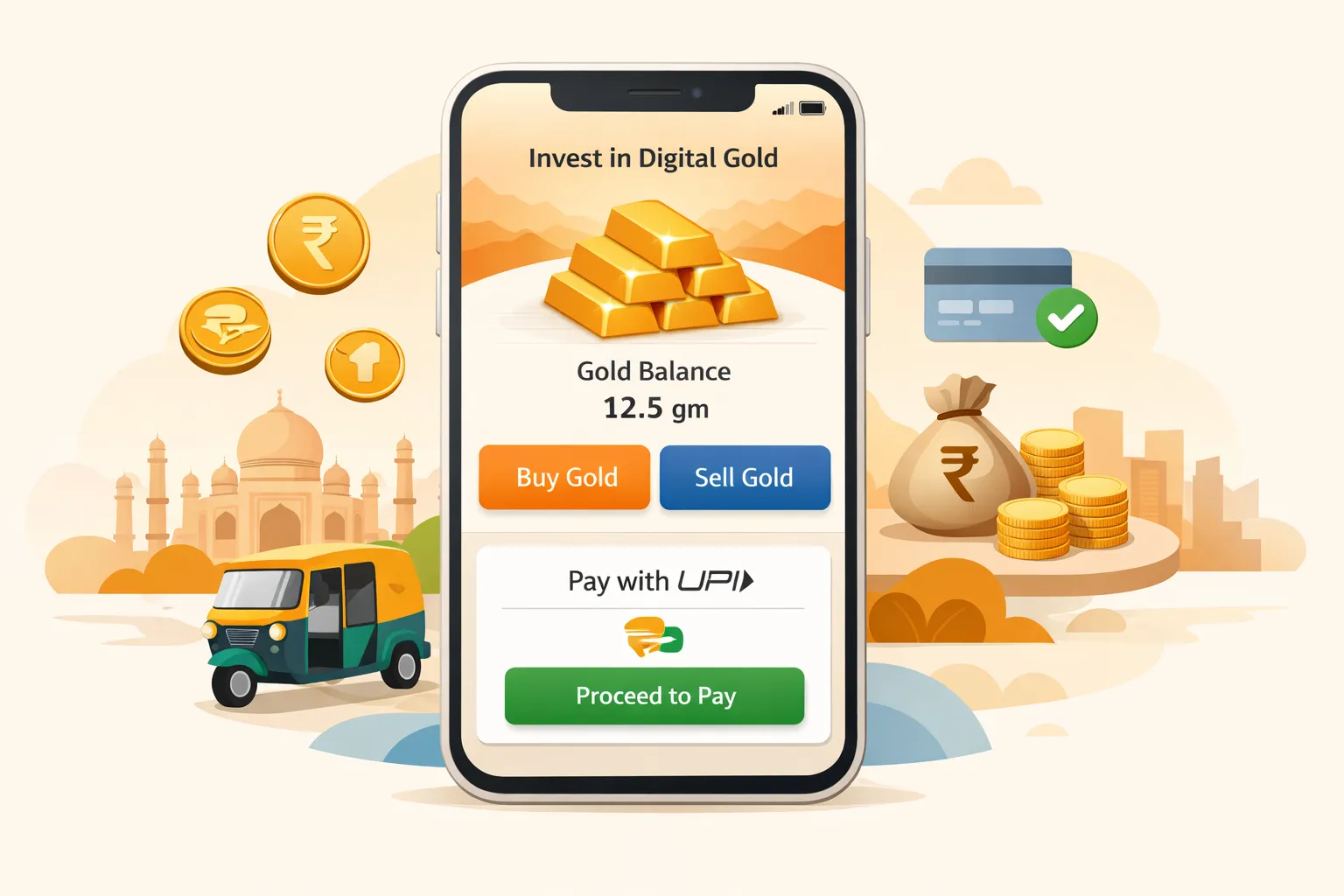
And if your biggest blocker is “I don’t have enough to start investing” – OroPocket changes that. You can start with ₹1, pay instantly via UPI, and get free Bitcoin (Satoshi) on every gold/silver purchase.
The 10-year return on gold (India): what “CAGR” really means
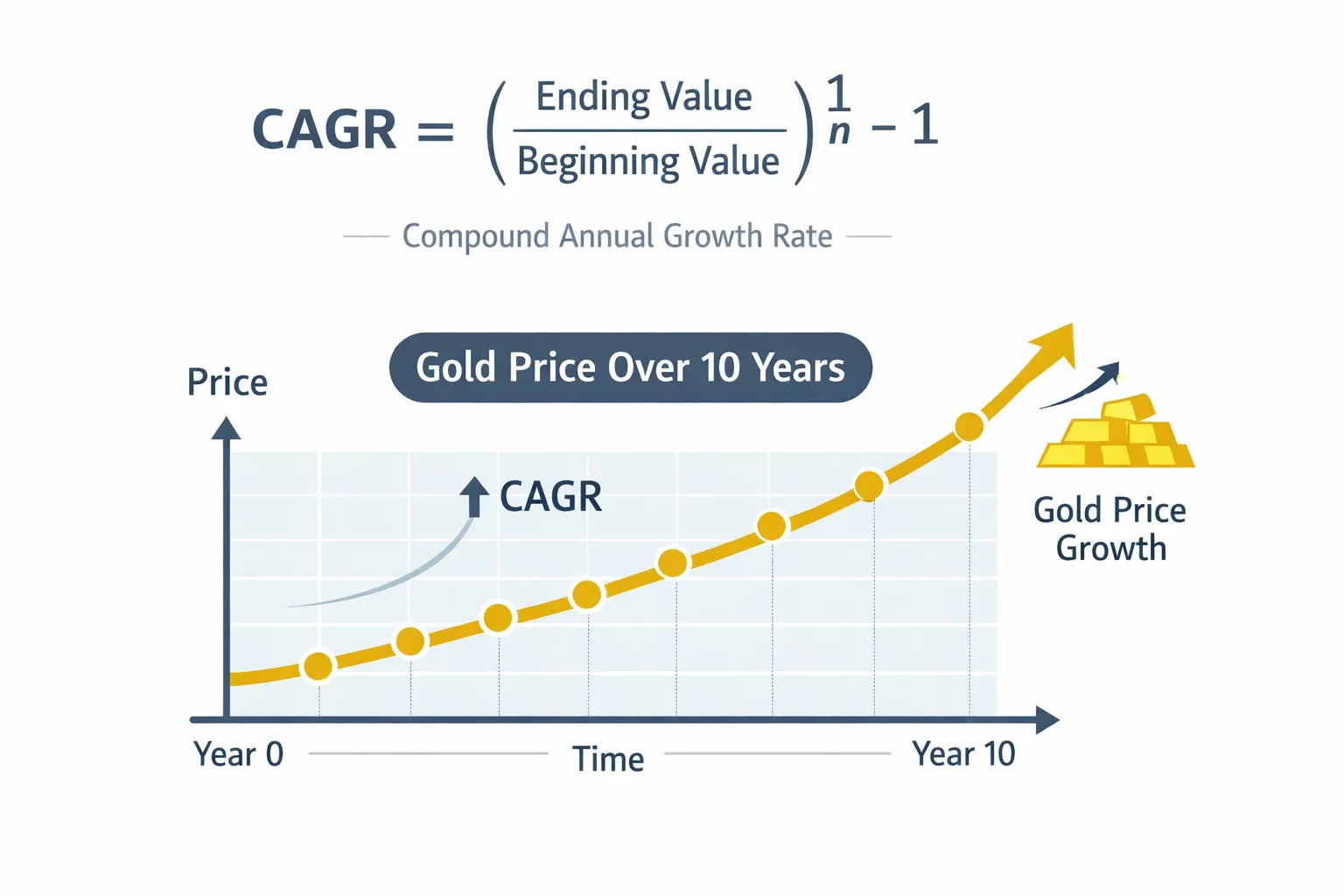
What is CAGR (and why you should care)?
CAGR (Compound Annual Growth Rate) answers one question cleanly:
“If gold grew at a steady rate every year, what would that annual rate be over the period?”
It’s the best way to compare gold with:
-
FD interest rates (steady)
-
Equity index returns (volatile)
-
Inflation (silent wealth-killer)
The quick reality check
Gold can feel “slow” in calm years – but when inflation spikes, currency weakens, or global risk rises, gold tends to remind everyone why it’s still owned worldwide.
To track the latest moves day-to-day, use a live gold price page (not random screenshots or WhatsApp forwards). Here’s OroPocket’s reference page for live gold price in India.
Gold price in India: year-by-year snapshot (last 10 years)
Below is a practical table of 24K gold price per 10 grams (INR) for the last decade.
Important: Gold prices vary slightly by source/city and whether you’re looking at average vs year-end. Use this as a decision table, not an exact trading quote.
|
Year |
24K Gold Price (₹/10g) |
|---|---|
|
2015 |
26,343 |
|
2016 |
28,623 |
|
2017 |
29,667 |
|
2018 |
31,438 |
|
2019 |
35,220 |
|
2020 |
48,651 |
|
2021 |
48,720 |
|
2022 |
52,670 |
|
2023 |
65,330 |
|
2024 |
64,070 |
|
2025 |
82,450 |
If you want to see how gold behaves visually, charts make trend + volatility obvious. OroPocket maintains a dedicated gold price chart view for quicker pattern recognition.
So what was the “return on gold in last 10 years”?
A practical CAGR estimate (2015 → 2025)
Using the table above (2015: ₹26,343 to 2025: ₹82,450), gold’s growth is roughly 3.13× over 10 years.
That implies an approximate CAGR of ~12% per year (ballpark).
Why “ballpark”? Because CAGR depends on which exact dates you use (start/end month) and whether you use average price or year-end price. But the core takeaway doesn’t change:
Over the last decade, gold delivered double-digit annualized returns for long-term holders.
Why gold performed like this: the 3 biggest drivers
1) USD/INR exchange rate (India imports most gold)
Gold is globally priced in USD. When the rupee weakens, gold becomes costlier in INR even if global gold is flat.
2) Real interest rates (inflation vs rates)
When inflation is high and bank rates don’t keep up, money looks for “stores of value” – gold benefits.
3) Risk-off events (uncertainty spikes)
2020 is the obvious example. But even outside pandemics, wars, banking stress, and geopolitical tension push investors toward gold.
Gold vs FD vs equity: what gold is actually good at
Gold is not “better than everything.” It’s a portfolio stabilizer and an inflation hedge with long-term staying power.
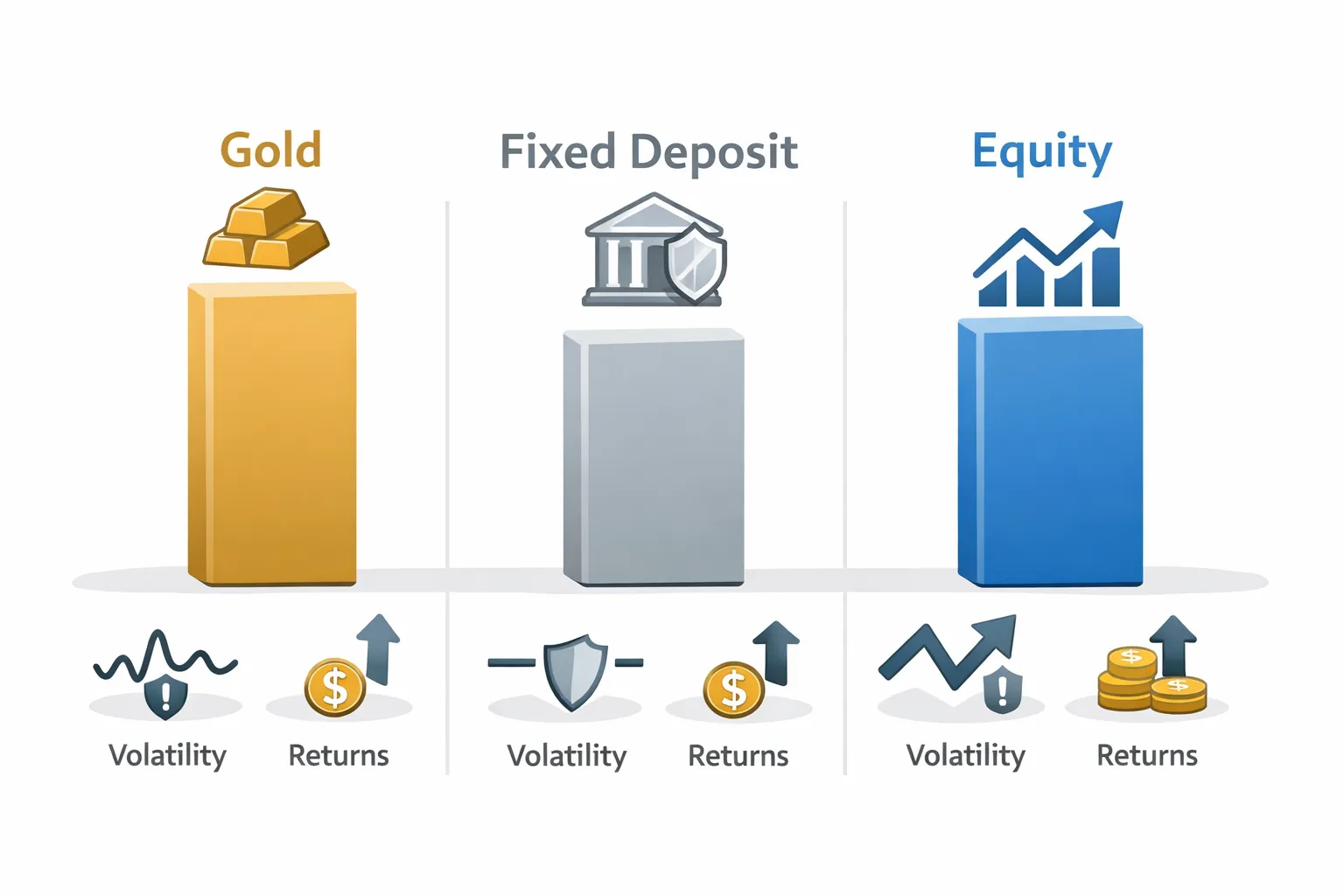
Simple comparison (high level)
|
Asset |
Best for |
Watch-outs |
|---|---|---|
|
Gold |
Inflation hedge, crisis protection, diversification |
Can go sideways for stretches |
|
Fixed Deposits |
Predictability, capital comfort |
Often loses to inflation post-tax |
|
Equity Index funds |
Long-term growth |
Sharp drawdowns; needs time + discipline |
Authority check: one stat that matters
“In the last 47 years, the Gold spot price index (in EUR) had a compound annual growth rate of 7.12%.” – Curvo
Use this correctly: it’s not India-specific and it’s in EUR – but it’s powerful evidence that gold has been a long-term compounder globally, not a one-cycle story.
What it means for 2026: realistic expectations (not hype)
1) Don’t expect 2020-style jumps every year
Gold’s strongest years often come from shocks. A smarter expectation for 2026 is:
-
steady compounding if inflation remains sticky
-
spikes if risk rises or INR weakens
-
cooling if rates stay high and risk appetite returns
2) Your edge is consistency, not prediction
Most people lose money in gold by doing one thing: buying a big lump at peaks.
A better move: buy small amounts regularly – especially if you’re a student, early-career professional, or building your first emergency buffer.
That’s exactly where digital gold shines: you can buy daily/weekly, without worrying about jeweller spreads or storage.
Best way to invest in gold in 2026 (India): which format fits you?
|
Option |
Best for |
Not great for |
|---|---|---|
|
Physical gold (jewellery/coins) |
Cultural use, gifting |
High making charges, storage risk |
|
Gold ETFs |
Demat users, market-linked investing |
Brokerage/demat friction for beginners |
|
SGBs |
Long-term holders who want sovereign backing |
Liquidity constraints; issuance cycles |
|
Digital gold (app-based) |
Micro-investing, convenience, quick buys/sells |
Needs a trusted, compliant platform |
If your goal is to track prices before buying, OroPocket keeps it simple with gold rate today in India updated views.
Why OroPocket is built for the “next 10 years” of gold investors
Most platforms help you buy gold. OroPocket helps you build a habit.
The OroPocket edge (for real retail investors)
-
₹1 entry point: start immediately – no “save first, invest later” trap
-
Free Bitcoin on every purchase: you get Satoshi cashback whenever you buy gold/silver
-
Gold + Bitcoin combo: stability + upside potential – without the stress of crypto trading
-
Gamified investing: streaks, spin-to-win, tier rewards – so you actually stay consistent
-
Instant UPI payments: buy in under 30 seconds
-
Security & compliance: RBI-compliant, insured vault storage, authorized partners
-
Referral rewards: both sides earn 100 Satoshi + free spin
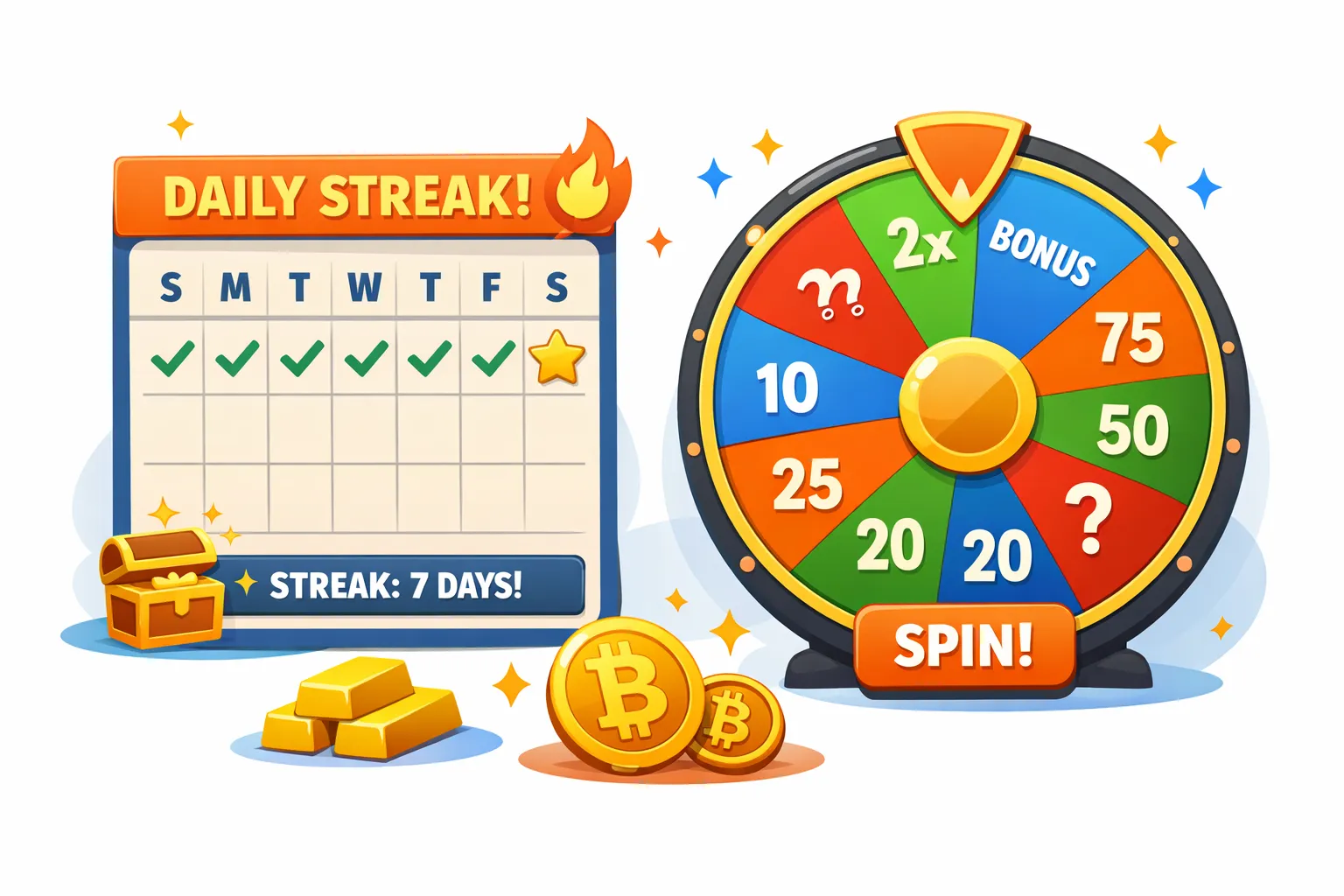
This is the emotional win:
-
Control: “I’m taking charge.”
-
Progress: “My wealth is moving.”
-
Smart: “I’m not letting inflation win.”
-
Modern: “I invest like it’s 2026.”
-
Rewarded: “I get Bitcoin just for being disciplined.”
Final verdict: what to do now
If you’re serious about beating inflation, gold belongs in your plan – but not as a one-time bet.
Make 2026 the year you stop watching prices and start stacking value:
-
Set a small weekly target (even ₹10/day works)
-
Buy consistently (ignore noise)
-
Let compounding do its job
Stop watching. Start growing. Start gold investing with ₹1, pay via UPI, and earn free Bitcoin on every buy – with OroPocket.